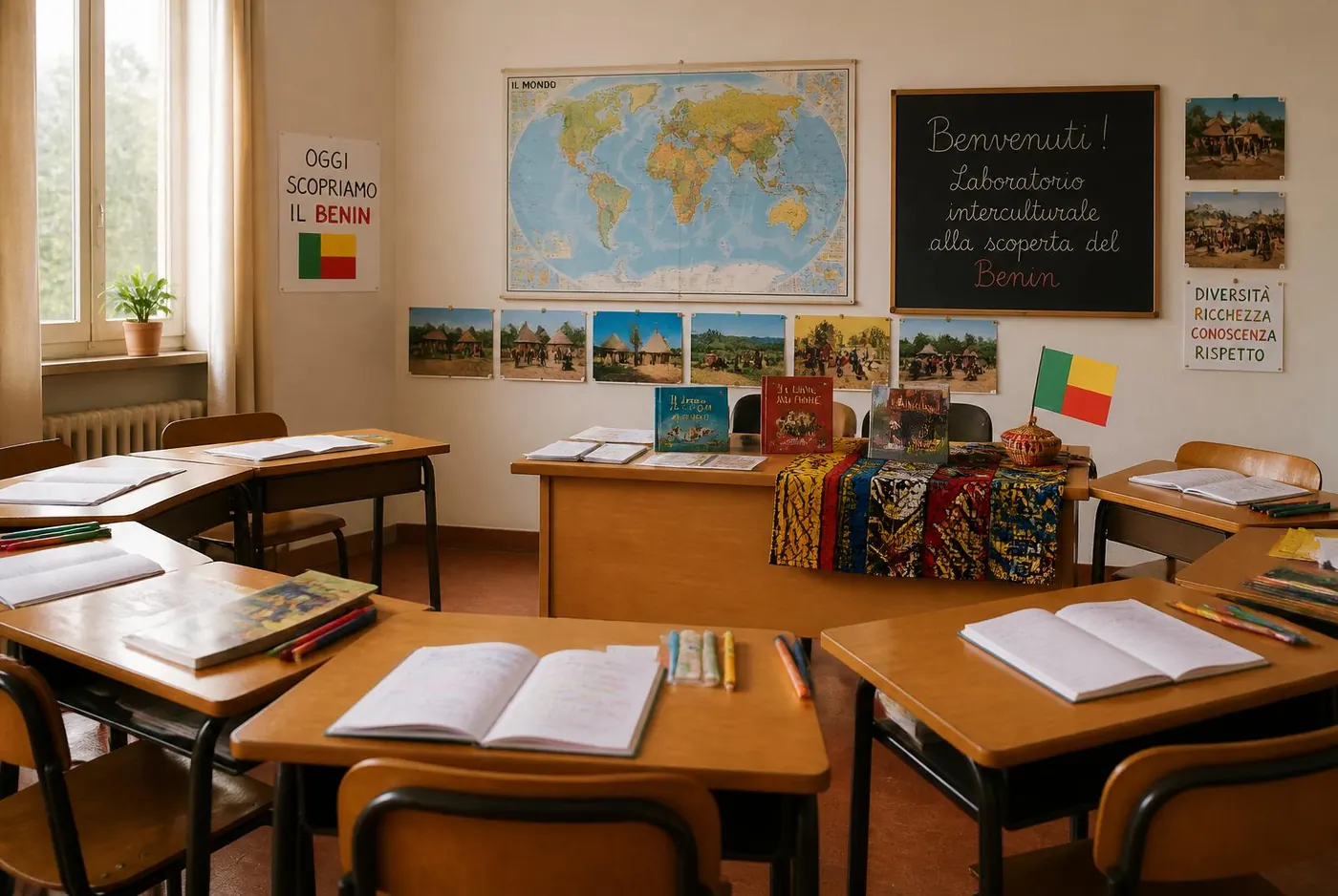
Bridge project, Italian schools
A bridge between different everyday lives, to learn and look at each other with fresh eyes.

Among the educational projects carried out by ONG ANAN is the intercultural programme implemented in Italian schools. This initiative was created with the aim of building a genuine connection between Italy and Benin, offering children and young people concrete opportunities for encounter, learning and dialogue with a reality that is often perceived as distant.
It is no coincidence that “ANAN”, in the Adja language, means bridge.
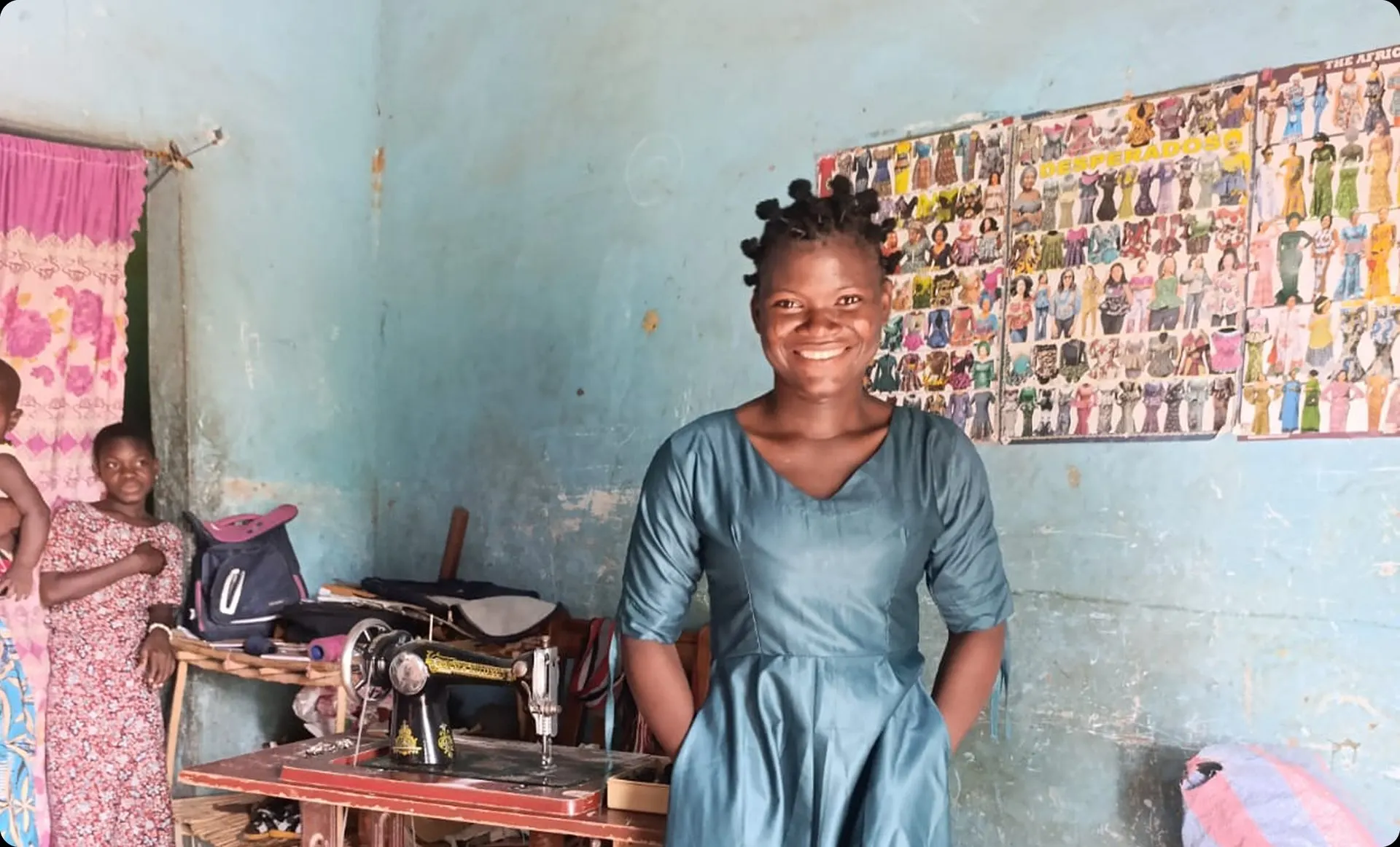
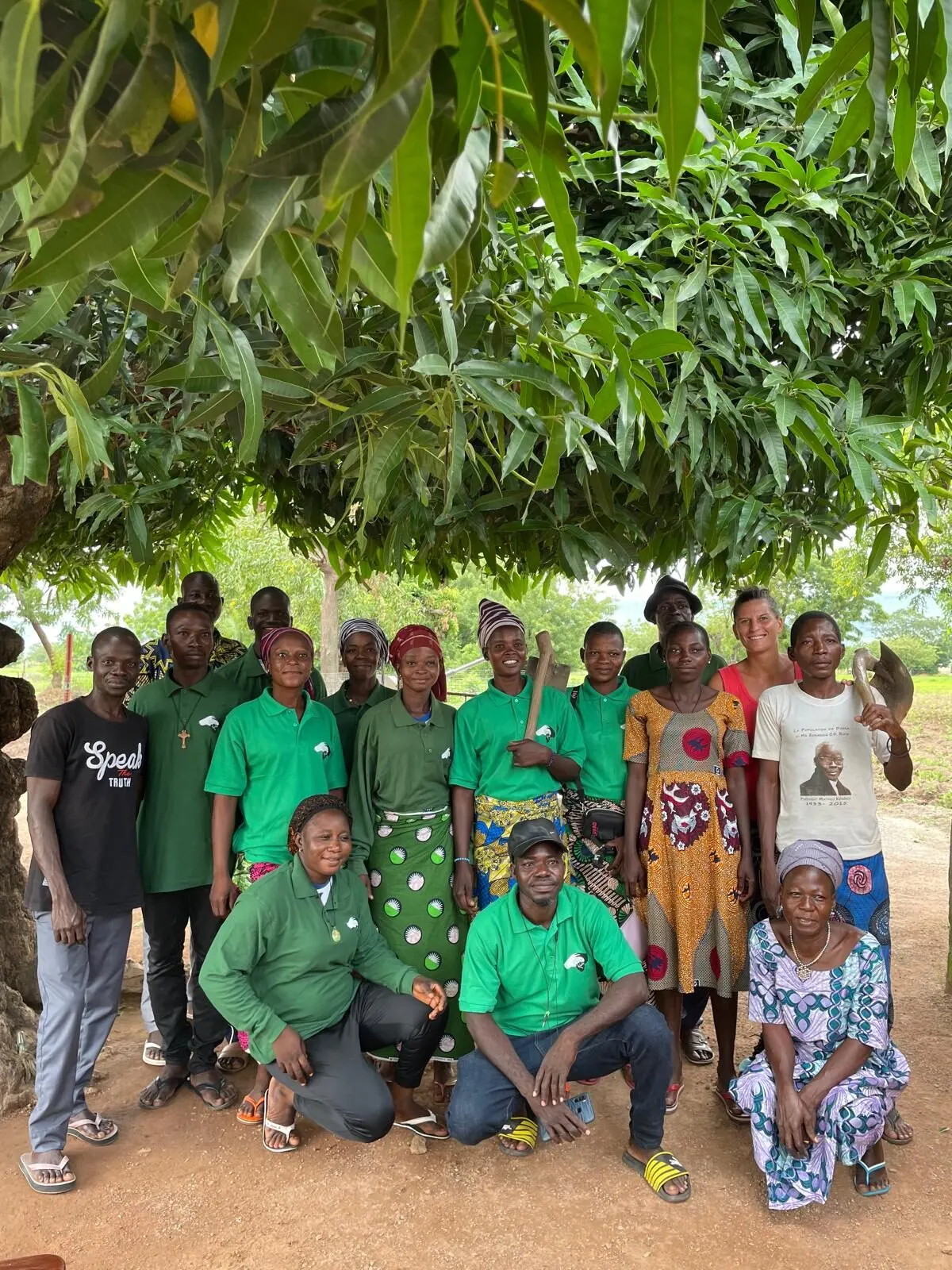
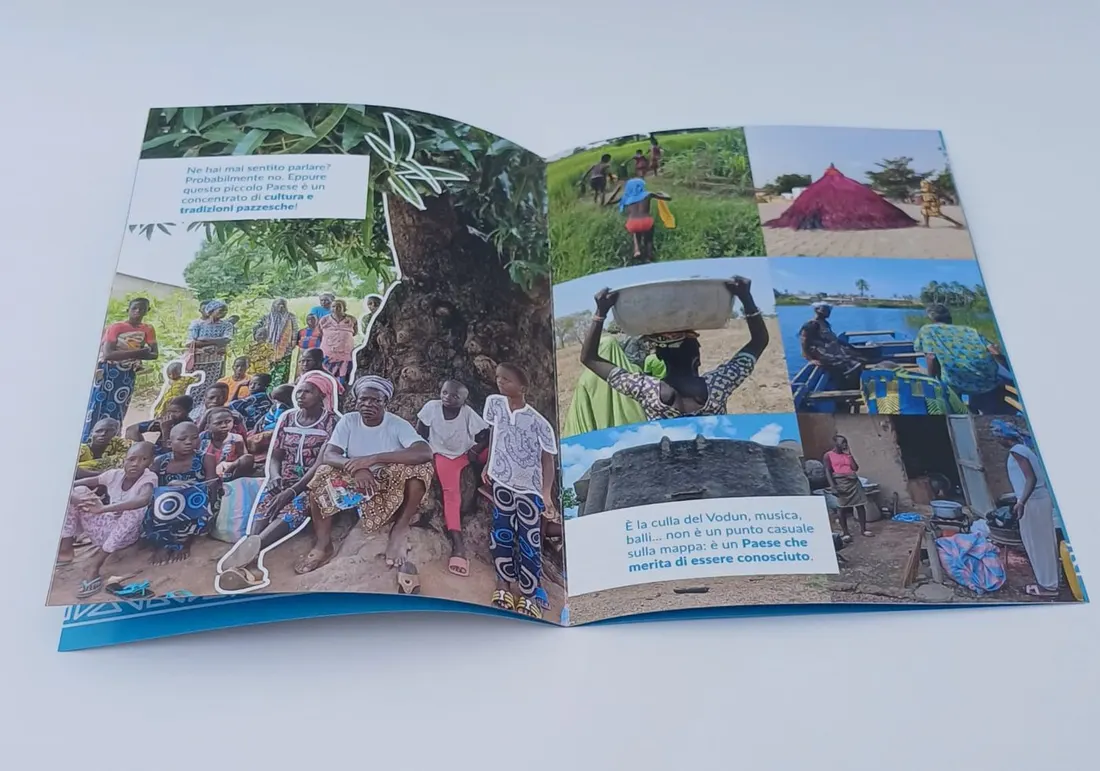 Through meetings in primary, middle and high schools, the association’s volunteers guide students in discovering Benin: its culture, its history, the daily life of children and rural communities, as well as the challenges related to access to education, drinking water and opportunities for growth.
The project stems from the direct experience of Elisa Zaccagna, President of ONG ANAN and an Italian professional educator who lives permanently in Benin, where she coordinates social cooperation and community development projects. Thanks to her constant presence in the field, students can engage with authentic and concrete testimonies, far from stereotypes and rooted in the everyday reality of the villages and the people involved in the projects.
The meetings are adapted to the age of the participants and become moments of exchange and active participation. In primary schools, the programme takes shape through creative workshops, games, photographs, stories and hands-on activities that help children approach a culture different from their own in a simple and natural way. With middle and high school students, the meetings explore topics such as inequalities in access to essential services, migration, international cooperation, the right to education and the role of non-governmental organisations in local development processes.
One of the most important aspects of the project is the intention to promote a culture of listening and relationship-building. Getting to know Benin also means better understanding many of the migration stories present today in our schools and communities. Through intercultural dialogue, children and young people learn to see differences not as distance, but as opportunities for growth and mutual enrichment.
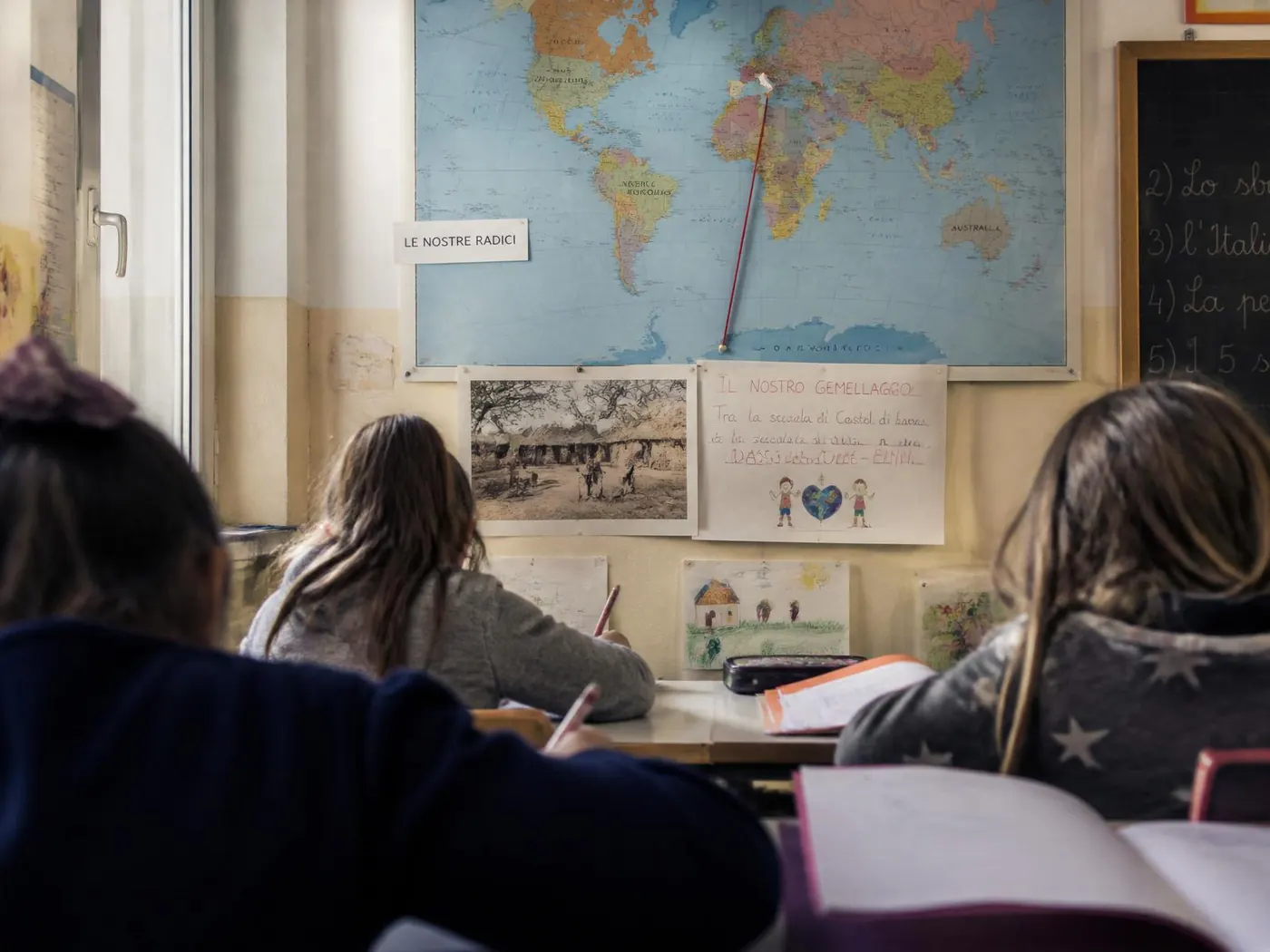
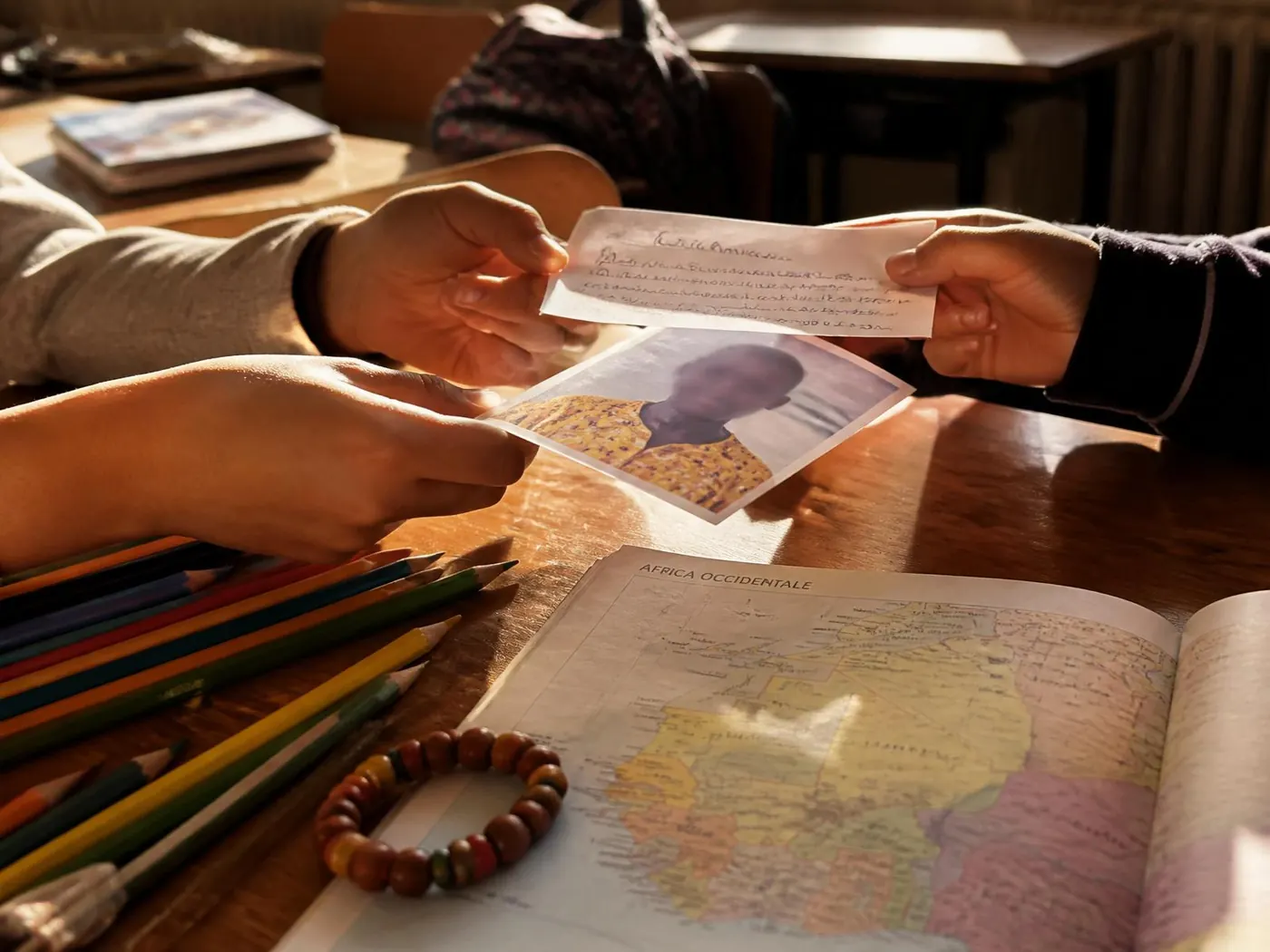
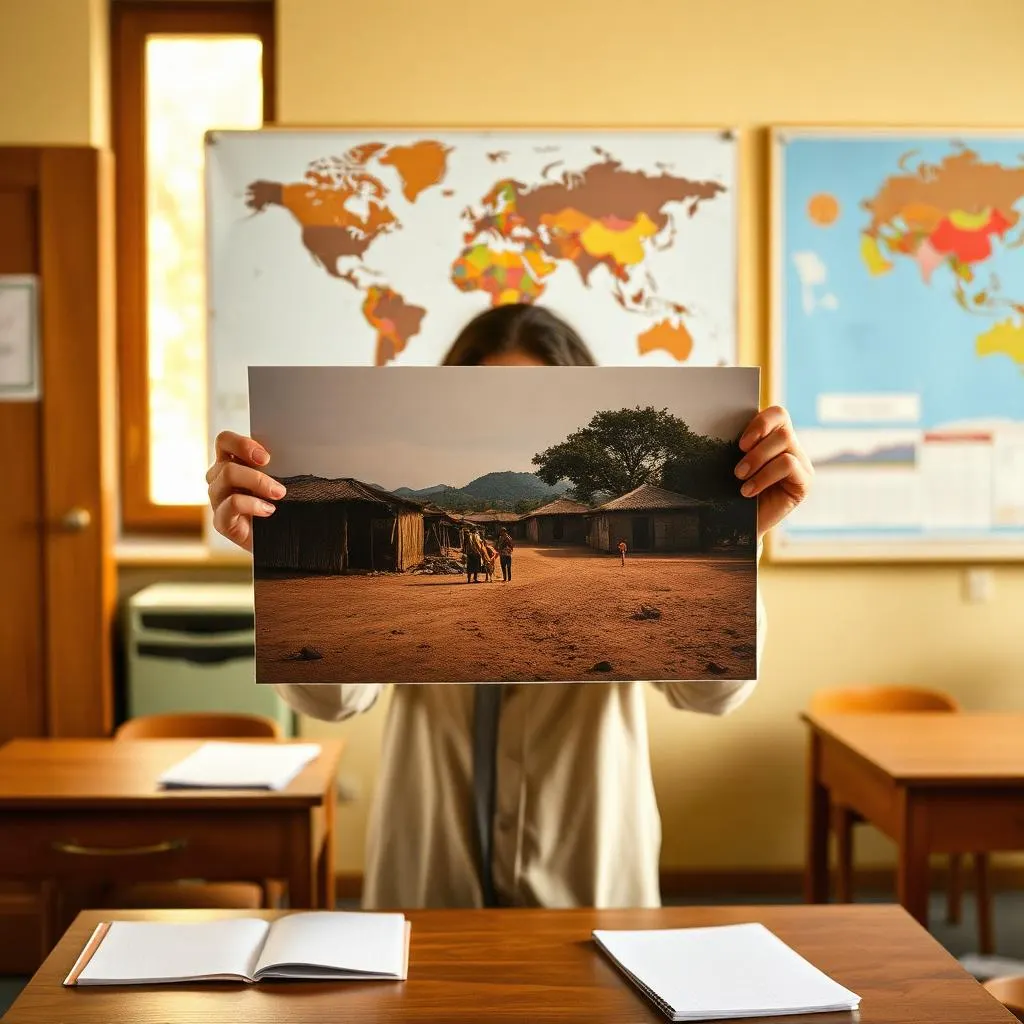
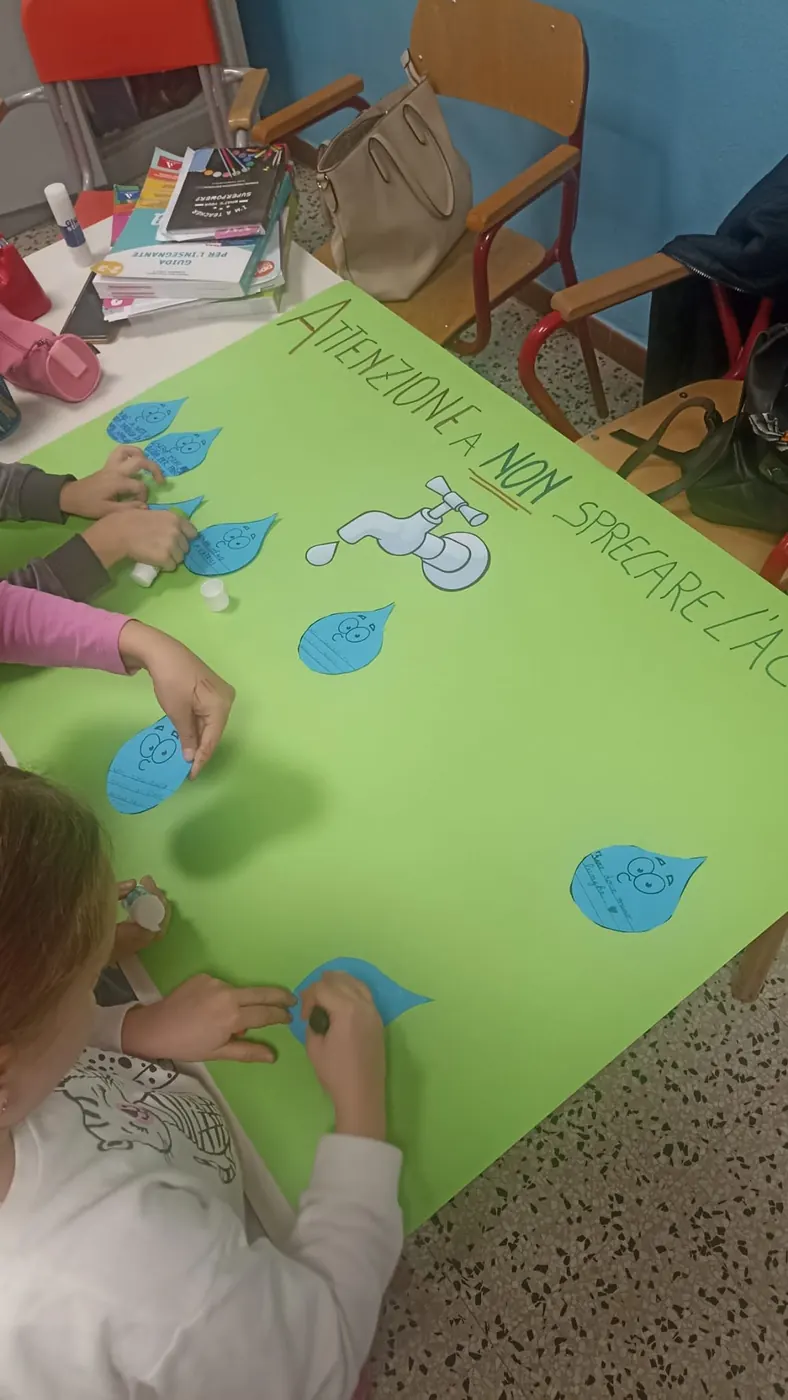
Great attention is devoted to the themes of education and access to drinking water, two fundamental rights that are still not guaranteed in many rural areas of Benin. Through photographs, stories and direct testimonies, students discover what it means to live in villages where children often have to walk long distances to collect water that is not always safe, or where attending school is still a privilege that is difficult to obtain.
These moments become valuable opportunities to reflect on our relationship with natural resources, the importance of fundamental rights and the inequalities that still shape the world today.
During the programme, a video call from Benin with Elisa Zaccagna is often included. For many students, this is the most meaningful moment of the experience: the chance to ask questions, listen to real-life stories and speak directly with someone who lives and works in the villages supported by ANAN makes everything more concrete, closer and more human.
«It is no coincidence that “ANAN”, in the Adja language, means bridge.»
At the end of the programme, classes are invited to leave a sign of the bond created with Benin through letters, drawings, photographs, reflections or small handmade objects to be shared with the children and communities involved in the association’s projects.
 For us, this project is not just intercultural education. It is the opportunity to build authentic relationships, raise awareness and help new generations become citizens of the world who are more open, sensitive and capable of building bridges rather than walls.
All meetings are offered free of charge by the volunteers of ONG ANAN, thanks to the shared commitment of those who believe that mutual understanding is the first step towards a fairer and more inclusive society.
With us
Our partners
Support this project
Every contribution, even a small one, helps us carry this work forward.