
Access to drinking water
Building and rehabilitating wells to ensure access to safe drinking water in rural communities.

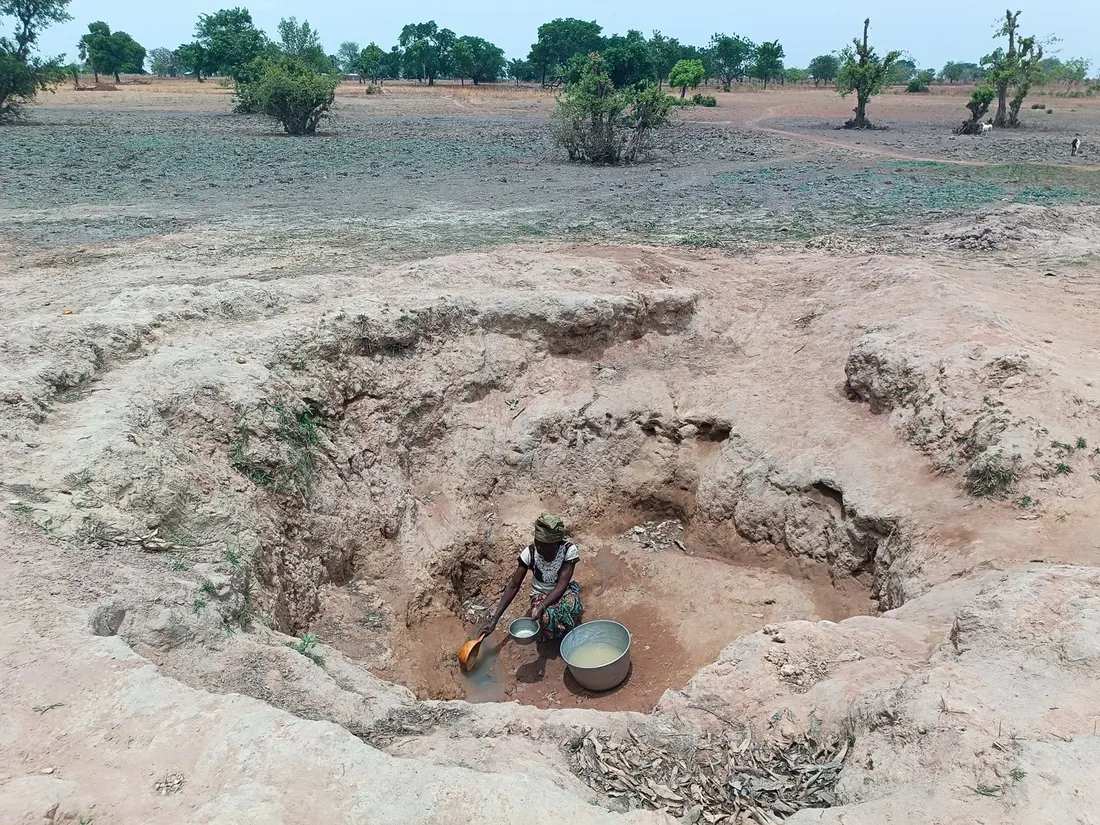
In many rural areas of Benin, access to clean drinking water is not a given. Entire villages still rely on rivers, ponds, seasonal pools, or traditional wells that are often unusable or contaminated. This situation exposes communities, particularly women and children, to health risks related to waterborne diseases such as diarrhea, fever, and parasitic infections, with a direct impact on their health and quality of life.
The shortage of safe water sources forces families to travel long distances every day to fetch water, taking away precious time that could be spent at school, at work, and on productive activities. Many villages have wells that were dug years ago but are now unusable simply due to a lack of maintenance.
 The project promoted by the NGO ANAN was created to address this fundamental need in a concrete way, through an intervention that links the construction of new wells with the rehabilitation of existing ones, guiding communities through a process of long-term infrastructure management and maintenance.
The intervention focuses particularly on the most isolated villages, where access to basic services and water is a major daily challenge. The direct beneficiaries are resident families, schools, and community facilities; indirectly, the entire local community and health services benefit from the reduction in waterborne diseases.
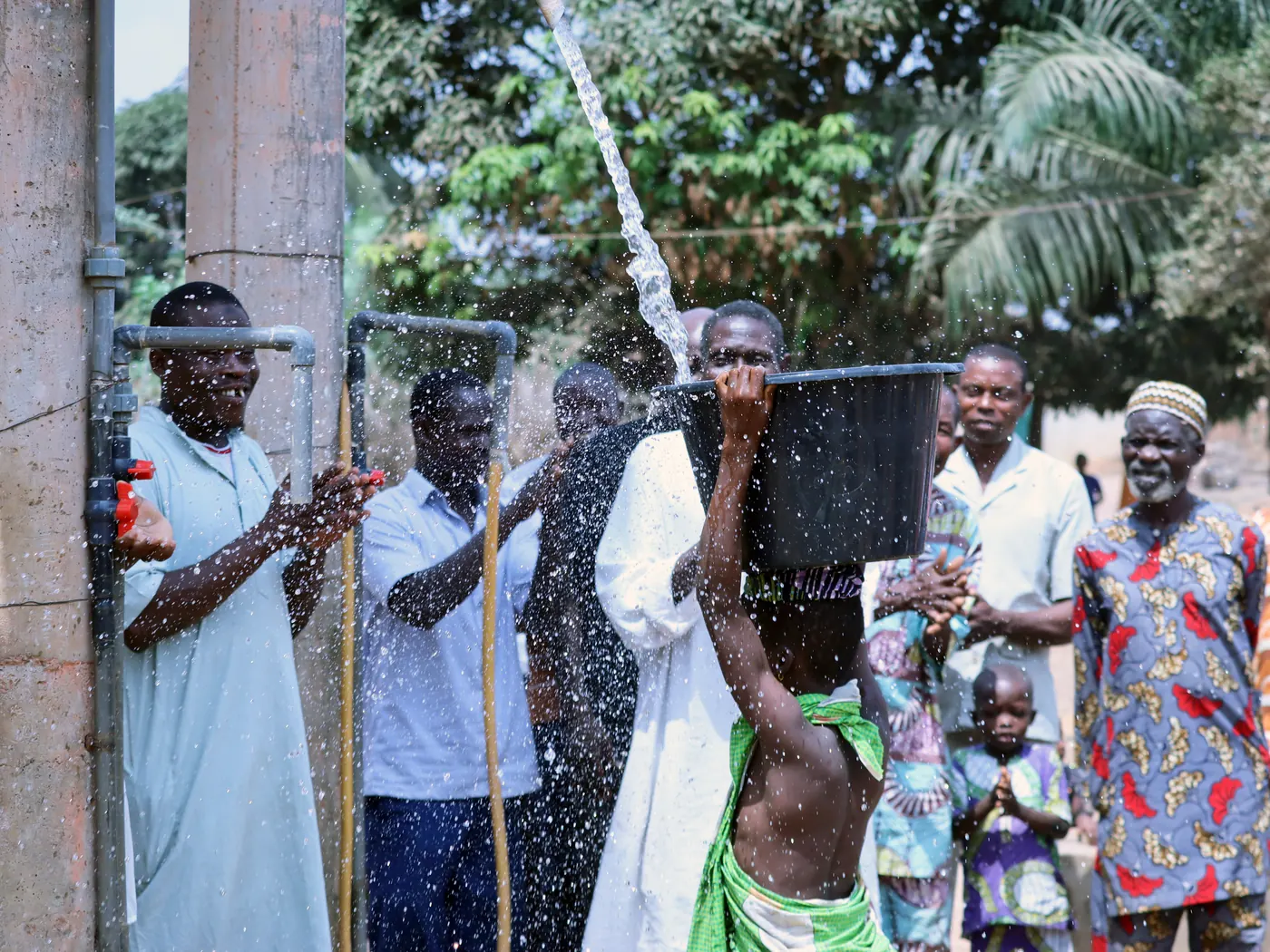
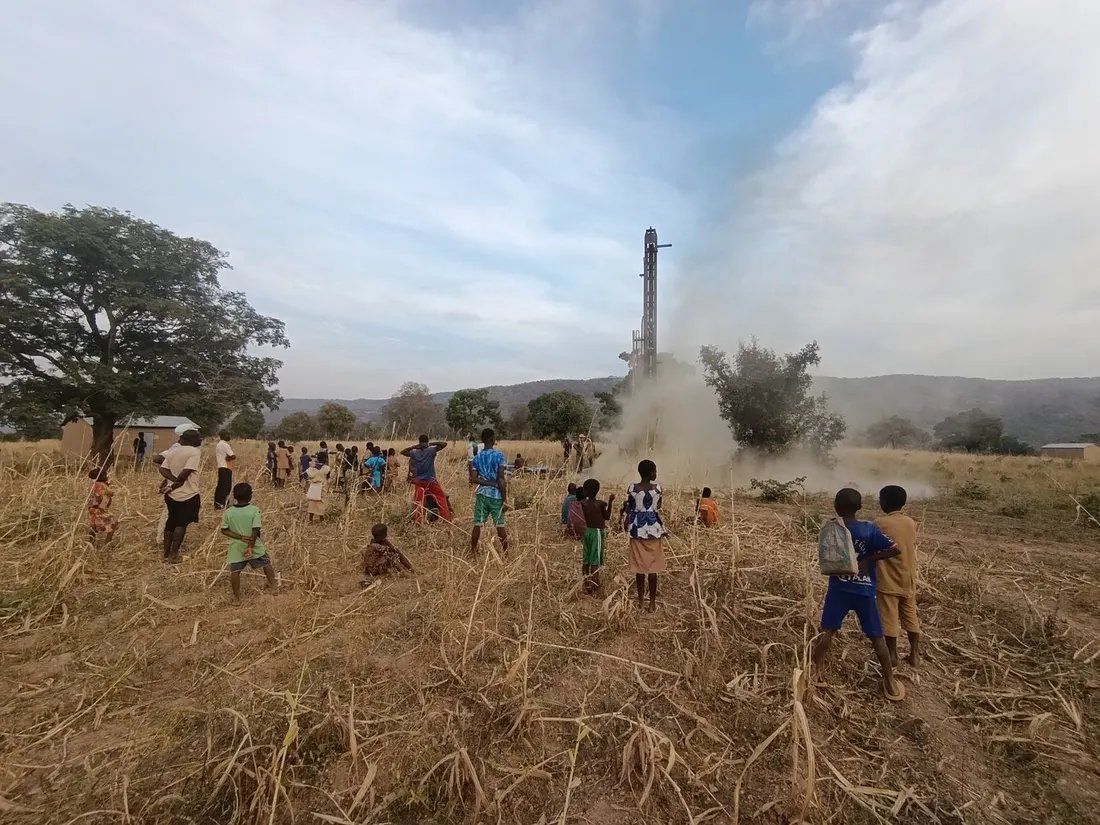
The project includes an initial phase of listening and dialogue with local authorities and the community leader to identify priority villages and assess the condition of existing wells. Based on these assessments, new wells are drilled, either manually or with electric or solar pumps depending on the context, or existing wells are rehabilitated through cleaning, pump replacement, or new drilling.
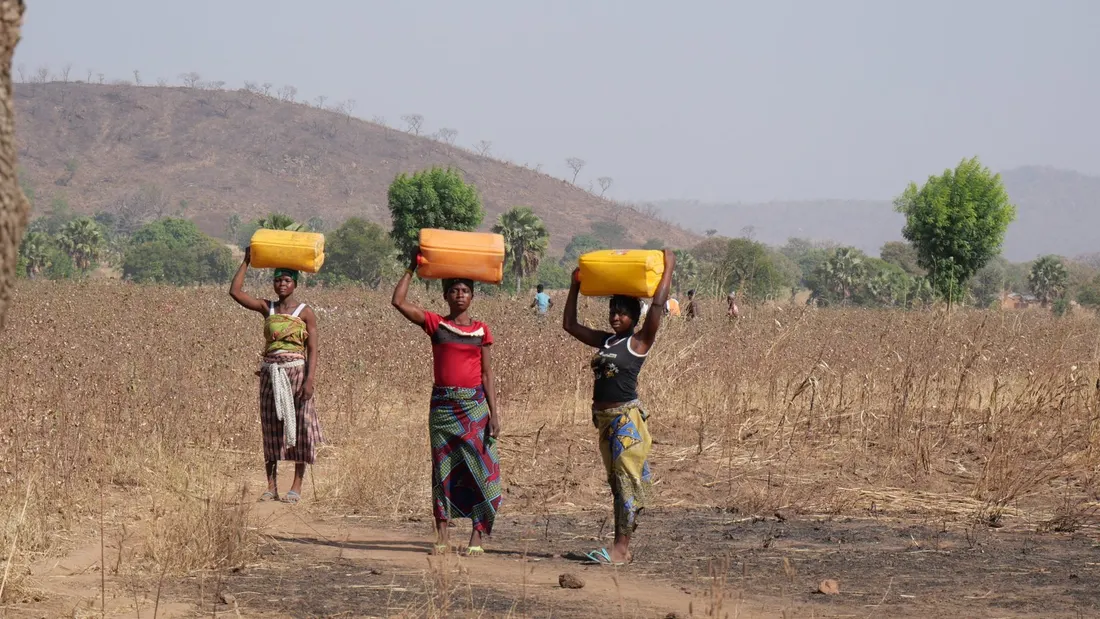
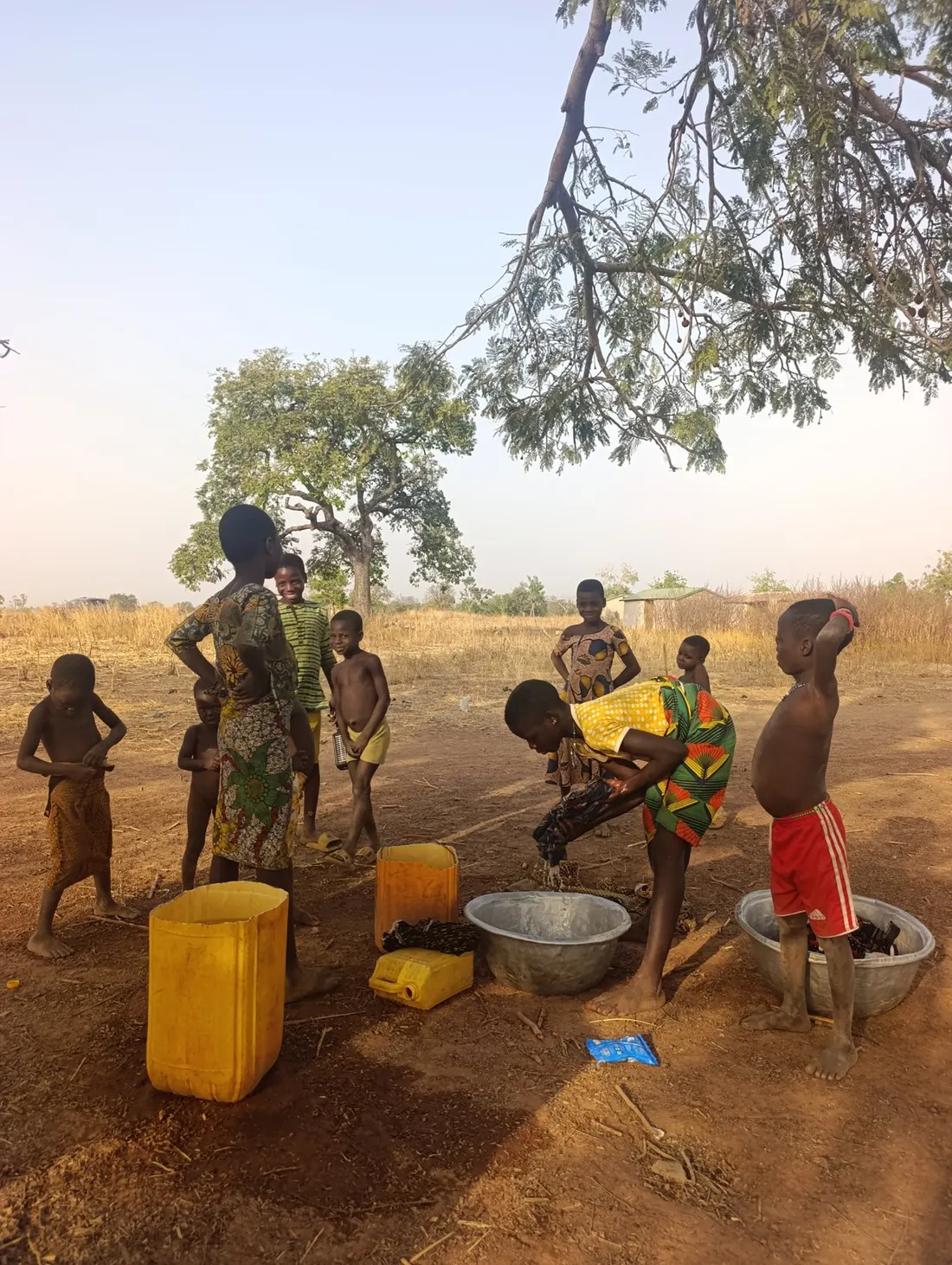
Alongside technical interventions, a fundamental part of the project involves community training. Water management committees are established and supported with the involvement of women, who are primarily responsible for water supply at the family level. Through awareness-raising sessions, hygiene and sanitation practices are addressed, along with the proper use of water, to ensure that the infrastructure is a protected and shared resource.
Over time, this allows communities to access a safe source of drinking water within a reasonable distance, significantly reducing collection times, particularly for women and children. Hygiene conditions improve, the incidence of disease decreases, and local capacity for infrastructure self-management is strengthened.
The project's sustainability hinges precisely on this participatory approach: simple and easy-to-maintain technologies, community empowerment, and the involvement of local authorities, ensuring that the wells become an integral part of local development plans.
«Ensuring access to safe drinking water means improving health, giving people back their time, and strengthening the dignity of communities.»
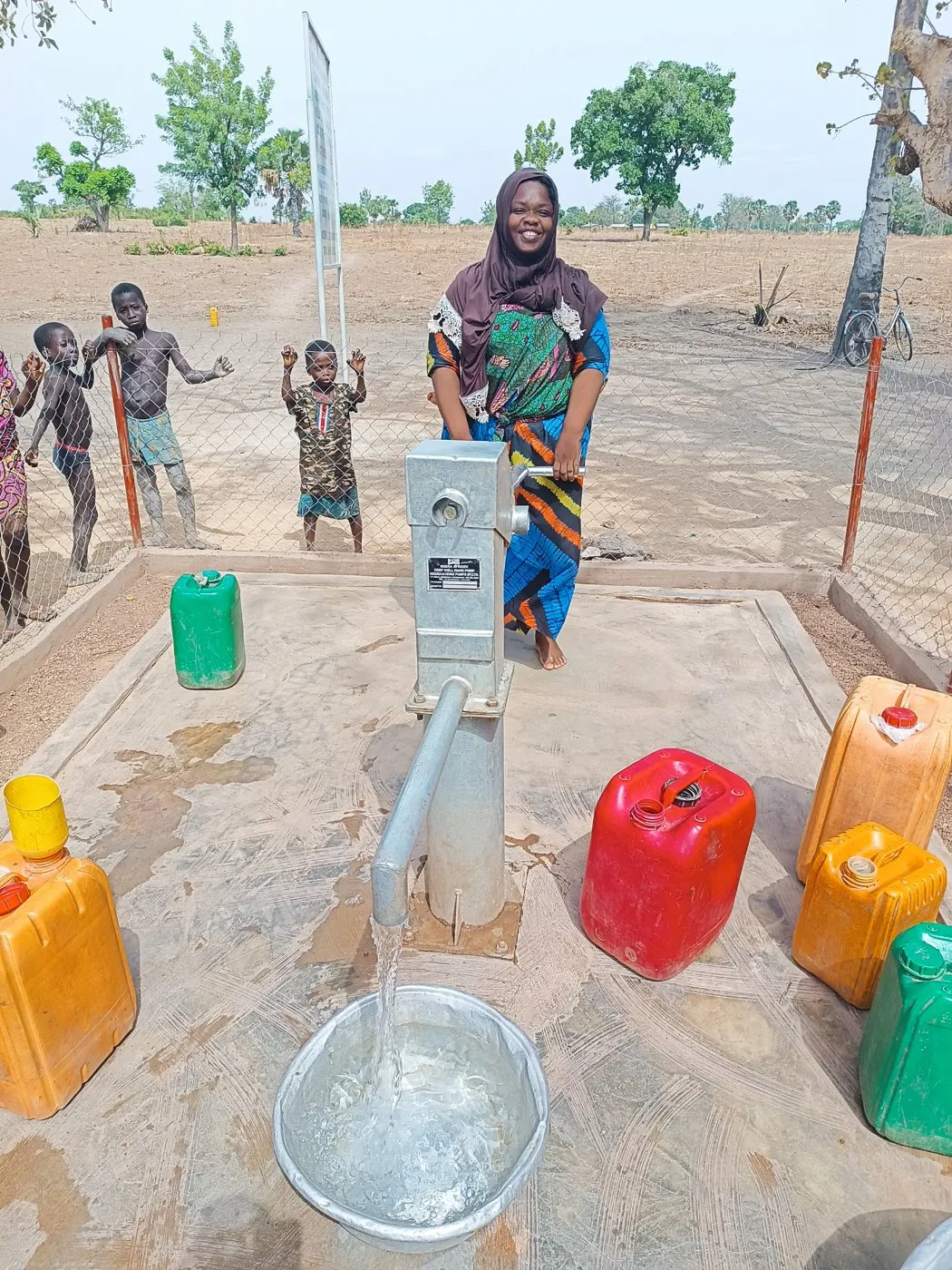 The NGO ANAN provides ongoing monitoring through periodic visits, data collection on water consumption, and observation of health and social impacts, sharing narrative and financial reports with its partners and donors.
Ensuring access to safe drinking water addresses one of the most fundamental needs of daily life. It improves health, gives people back their time, strengthens community dignity, and lays the foundation for stronger and more sustainable local development.
With us
Our partners
Support this project
Every contribution, even a small one, helps us carry this work forward.